What is a Stoma?
A stoma is an open hollow organ in the body that is designed to receive a specific purpose. Stomas that resemble the gut, nose, mouth, and rectum, for example, are common designs. Any hollow internal organ may be shaped into an artificial stone if needed. This comprises the stomach, esophagus, duodenum, colon, pleura, urinary bladder, urethra, peritoneum, erythrocyte, pericardium, spleen, hepatic artery, vena cava, cervical ganglion, trachea, bronchial bronchiolar, tracheal bronchioles, gastrointestinal tract, vocal cords, cervical spine, sphenoid A stoma can be made up of various parts and serve several purposes.
Stoma design, location, and function differ considerably between endoscopic and conventional building procedures. In the case of the small intestine and colon, which are both anatomically parts of the large intestine, stoma design is based on the position and form of the stream using the equipment used in colonoscopy and small-bowel phlebectomy operations (axillary lines, stethoscopes).
The doctor determines the placement of a stoma after taking the patient’s weight and measuring the distance between the lower esophageal sphincter and the stomach. The doctor next sews the skin flap together and puts pressure through it to maintain the stoma in place. The length of the tale will vary depending on the method and your specific circumstance. Stoma design and function can also vary considerably from individual to person. For example, some patients may have a large stock, whilst others may only have a little one.
What is Irrigation of the Stoma?
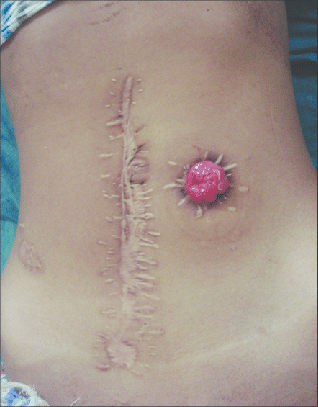
What is a colostomy? A colostomy is a surgical procedure used to remove stool in place of a large intestine. The procedure itself is relatively painless and is done by placing a ring or balloon-like inflatable ring around the abdomen. A tube leading to the bowel is then attached to this ring, and the resulting pouch is used to collect and substitute stool for ingestion. A colostomy is performed when the large intestine is damaged, or if the body cannot tolerate large amounts of stool, or if the intestine does not respond to bowel stimuli. Patients who cannot tolerate oral or anal cleansing procedures can also choose to undergo a surgical procedure to cleanse the colon, but most patients choose to do this after the introduction of a self-cleansing diet.
How is Colostomy Irrigation Used?
Colostomies are generally only used for one or two weeks at a time since it is a painful procedure. The duration of each visit will depend on the amount of stool removed through irrigations and may last anywhere from eight weeks to eighteen weeks. Irrigation is a bowel management method for colostomies in which you clean out the colon to induce a bowel movement. Your intestine will eventually develop this regular habit, and you should not generate waste in between irrigation treatments. Most doctors recommend that patients only undergo colon irrigations between eight to ten weeks since this gives the body time to settle back and recover from the procedure.
How are Colostomies Generally used?
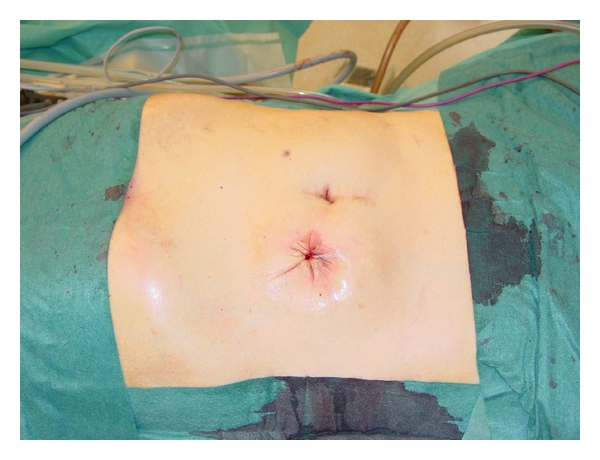
Colostomies are most commonly used for constipation but can be used for more serious problems as well. Patients suffering from serious intestinal diseases, such as Crohn’s disease or ulcerative colitis, can be treated with a similar procedure. After the patient completes the required number of treatments, a sigmoidoscopy may be performed to check for damage to the anus or any potential obstructions to the bowel movement.
If a blockage does occur, the doctor may perform surgery to physically remove the blockage, as well as use an imaging tool called an anoscope to look into the inside of the stoma pouch to determine which part of the intestine was damaged in the process. If surgery is necessary to remove the blockage, it may also be performed using a laparoscope, which is an extremely light and small surgical instrument that is used to make smaller incisions.

 Gastrointestinal Health