
Unhealthy Gut Signs
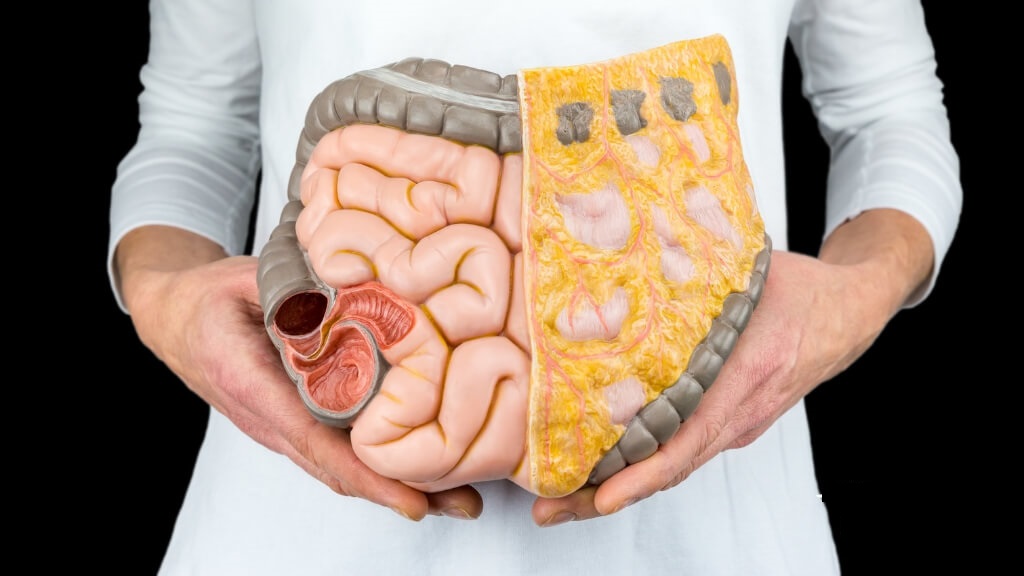
The gastrointestinal tract, or digestive tract, refers to the entire digestive mechanism, which starts from your mouth and ends with the anus. The job of your gut is to receive foods that you eat, digest it, absorb its nutrients, and pass out waste materials.
To check your gut health, you are going to have to note the patterns of your bowel movements and the level of difficulty passing out your stools. Your gut is healthy if you are passing out stools one to two times a day and they are well-formed and easy to pass. Another sign of a healthy gut is the absence of any uncomfortable symptoms, such as gas, bloating, and pain in the abdomen.
Common symptoms of an unhealthy gut
An unhealthy stomach can result in various symptoms which can be quite uncomfortable. The effect of an unhealthy digestive tract may appear on your entire body. Here are a few signs of an unhealthy gut.
- Stomach discomfort is one of the frequent problems of an unhealthy gut. It usually involves symptoms such as diarrhea, gas, constipation, and pain in the abdomen. These signs can also indicate the presence of irritable bowel syndrome (IBS), which is a condition affecting the large intestine.
- According to the study, people suffering from chronic fatigue syndrome usually have imbalances in the gut microbiome. The gut microbiome consists of microorganisms, bacteria, fungi, and viruses in the GI tract. Other studies even suggest that many people with fatigue had IBS.
- Overeating or overconsumption of sugary foods can result in the prevalence of harmful bacteria in the gut. According to a study, what you eat can bring a change in your microbiome.
- A change in the gut microbiome may mean the difference between lean and obese people. A study published in Nutrition Today suggests that a western-style diet, which is generally high in fat and refined carbohydrates, can promote intestinal bacteria that may cause obesity.
- An unhealthy gut can also result in skin problems, which may include psoriasis, eczema, and acne. These skin changes occur as a result of gut microbiomes influencing the skin through a complex mechanism. Use probiotics may help treat those bacteria imbalances.
- According to a study, gut problems may be linked to migraines. People with IBS are generally found to have frequent migraines.
Balancing your gut health
If you notice any of the above symptoms, you may want to consult a physician for a checkup. You will want to determine whether or not these symptoms are there due to a gut problem. If it turns out to be a gut problem, you may want to visit a naturopathic doctor for proper treatment.
A naturopathic doctor will first try to treat your problem through dietary changes because most gut problems occur due to a bad food intake. The first step towards fixing the issue is to remove foods that may be offending. Stopping those foods help bring your gastrointestinal function back on track.
Your problem may be due to bacterial overgrowth, parasites, or yeast. The naturopathic doctor will suggest food supplements to address those imbalances.
 Gastrointestinal Health